
Unlocking the Secrets of Mugwort: The Magic Behind This Herbal Wonder
Mugwort has been quietly gaining attention for its unique properties and versatile uses. This herb, often overlooked, holds a special place in traditional medicine, culinary arts, and spiritual practices. Its magic lies not just in its history but in the practical benefits it offers today. Let’s explore what makes mugwort a fascinating herbal wonder.
What Is Mugwort?
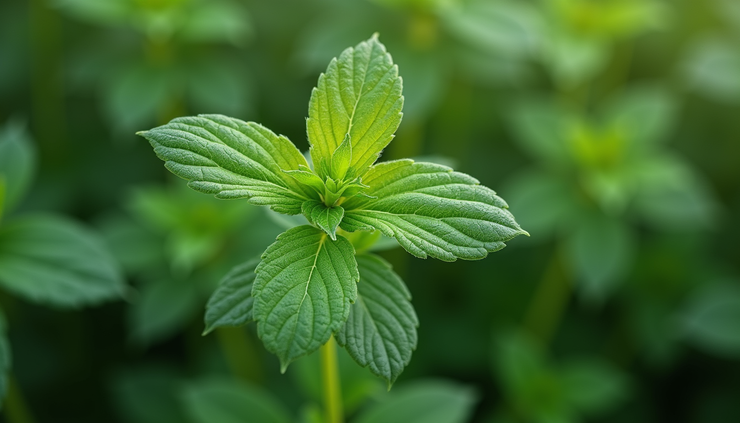
Mugwort (Artemisia vulgaris) is a perennial plant native to Europe, Asia, and North America. It grows wild in many regions and has a distinctive aroma that some describe as earthy and slightly bitter. Traditionally, mugwort has been used for centuries in herbal medicine and rituals. It belongs to the same family as sage and wormwood, plants known for their strong flavors and medicinal qualities.
The plant features jagged leaves and small reddish-brown flowers. It thrives in various climates, making it accessible for many herbal enthusiasts. Mugwort’s versatility comes from its chemical makeup, which includes essential oils, flavonoids, and bitter compounds.
Traditional Uses of Mugwort
Mugwort has a rich history of use across different cultures:
Medicinal: In traditional Chinese medicine, mugwort is used in moxibustion, a technique where dried mugwort is burned near the skin to stimulate healing. European herbalists have used it to support digestion, relieve menstrual pain, and calm nerves.
Culinary: Mugwort leaves have been used as a seasoning in soups, rice cakes, and teas. Its slightly bitter taste adds depth to dishes.
Spiritual and Ritual: Many cultures consider mugwort a protective herb. It was burned as incense to ward off evil spirits and enhance dreams.
These uses highlight mugwort’s broad appeal and the reason it remains relevant today.
Health Benefits Supported by Research
Modern research has begun to explore mugwort’s potential health benefits, though more studies are needed to confirm many traditional claims. Some promising areas include:
Digestive Support: Mugwort may help stimulate appetite and ease indigestion. Its bitter compounds encourage the production of digestive juices.
Menstrual Relief: Some women use mugwort to reduce cramps and regulate menstrual cycles. This effect is linked to its influence on uterine muscles.
Sleep and Dreams: Anecdotal evidence suggests mugwort can promote vivid dreams and improve sleep quality. This may relate to its mild sedative properties.
It’s important to use mugwort cautiously, especially during pregnancy or if you have allergies to related plants. Always consult a healthcare provider before starting any herbal treatment.
How to Use Mugwort Safely
If you want to try mugwort, here are some practical ways to incorporate it:
Tea: Steep dried mugwort leaves in hot water for 5-10 minutes. This is a gentle way to enjoy its flavor and potential calming effects.
Smudging: Burning dried mugwort as incense can create a soothing atmosphere and is often used in meditation or relaxation rituals.
Topical Applications: Mugwort-infused oils or creams may help soothe skin irritations, but test on a small area first to avoid reactions.
Culinary Uses: Add fresh or dried mugwort sparingly to soups, stews, or rice dishes for a unique herbal note.
Avoid consuming large amounts or using mugwort essential oil internally, as it can be toxic in high doses.

Growing and Harvesting Mugwort
Mugwort is easy to grow in many gardens. It prefers well-drained soil and full sun but tolerates partial shade. Here are some tips for growing mugwort:
Plant seeds or cuttings in spring.
Space plants about 18 inches apart to allow room for growth.
Harvest leaves before the plant flowers for the best flavor and potency.
Dry leaves in a cool, dark place to preserve their qualities.
Because mugwort can spread quickly, some gardeners consider it invasive. Contain it by planting in pots or controlled garden beds.
Mugwort in Modern Wellness
Today, mugwort is making a comeback in wellness circles. Herbalists and natural health practitioners appreciate its gentle effects and historical significance. It appears in products like herbal teas, bath blends, and natural sleep aids.
People interested in natural remedies often explore mugwort for:
Supporting relaxation and stress relief
Enhancing dream recall and sleep quality
Adding a unique flavor to herbal blends
Its combination of tradition and practical use makes mugwort a valuable herb for those seeking natural wellness options.


Comments